Pitch and footprint — the 0.100-inch grid
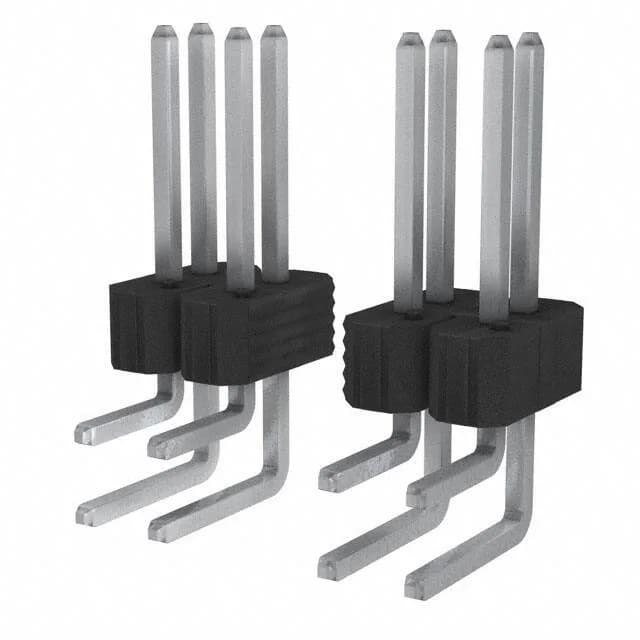
The 68022-428HLF: The 0.100-inch pitch is the series constant: every BERGSTIK II header shares the same 2.54 mm grid. For the board-layout engineer, the 0.110-inch (2.79 mm) right-angle lead length determines the pad stack and annular ring requirement on the PCB. Row spacing matches the mating pitch at 0.100 inch, giving a two-row stack with 6.10 mm insulator standoff height above the board surface. The push-pull fastening type and unshrouded design are compatible with standard socket contacts in the BERGSTIK II receptacle family — confirm the mating half's polarization keying matches the header footprint before committing the layout.
Electrical and contact ratings
5 A per contact at 110 V AC/DC is the headline figure. The 2.54 µm (100 µin) tin plating on the mating interface provides good durability for the intended permanent board-to-board installation — mating cycles are governed by the tin-tin interface, so reconnection duty beyond a few mate/unmate cycles should be evaluated against the 100 µin deposit thickness. The phosphor bronze base material gives good spring temper for contact normal force, and the square contact shape maintains consistent socket engagement across all 28 positions.
Sourcing — active production, quoted to BOM quantity
The 0.100-inch pitch standard across the BERGSTIK II line means pin-compatible alternatives within the series share the same grid and post geometry — position count is the primary delta. For BOM-line matching, confirm the exact circuit count against the mating half's loaded position count before substituting any same-series variant.
What this connector is used for
BERGSTIK II headers of this type are used as board-to-board stack interconnects in industrial control cards, PLC modules, and instrumentation assemblies — the right-angle orientation routes the mating interface parallel to the daughter card plane at a fixed z-height offset. The UL94 V-0 housing rating makes it suitable for equipment requiring flame-retardant materials in the end product. The push-pull fastening type provides retention in environments without high vibration transverse loading — for high-vibration applications, confirm whether a latching or screw-fixed receptacle variant is required to supplement the push-pull header retention.