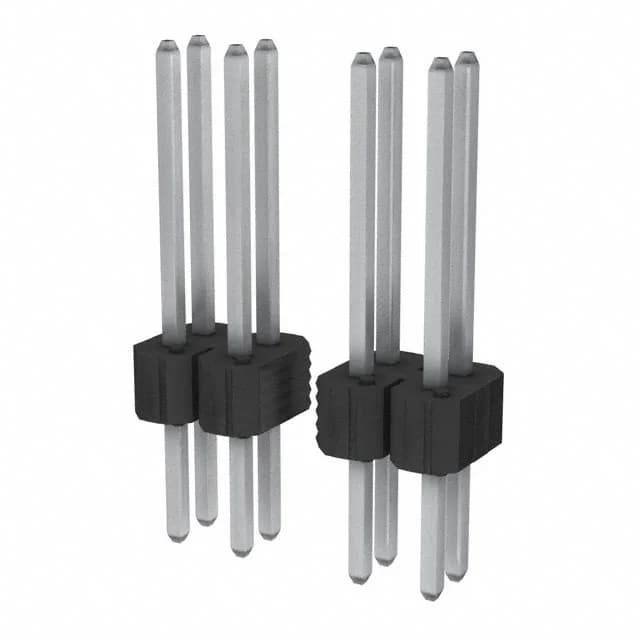
Plating and Contact Construction
The 79821-468HLF: Both the mating face and the post receive 100.0 µin (2.54 µm) of tin plating — a heavier finish than the typical 100 µin flash, which gives this connector better resistance to repeated mating and a lower contact resistance at first mate. The contact material is phosphor bronze, which holds up better than brass under vibration cycling. The push-pull fastening type means the header locks with an audible click when fully seated, but it is unshrouded — polarization relies on the pin count and the housing keying on the mating side.
Ratings That Drive the Fit
The 5 A per-circuit rating is the headline number, but for a 68-position dual-row connector at 110 V the practical ceiling is set by circuit density and the UL94 V-0 insulator's temperature rise limit. The 0.100" (2.54 mm) pitch matches the standard 2.54 mm grid used across the BERGSTIK series, so the board footprint is interchangeable within the family. The 0.200" (5.08 mm) post length accommodates typical PCB thickness for hand or wave soldering.
Lifecycle and Sourcing
Amphenol lists the 79821-468HLF as Active. No official successor order code appears in the on-record cross-reference data, so for BOM planning the 68-position / 2.54 mm / tin-plated / through-hole combination is the definitive line item. Source against an RFQ with your BOM quantity and the target date — the standard bag packaging is typical for loose-piece industrial headers, not reel or tube, so check MOQ expectations with your distributor before quoting a blanket order.
What It Mates With
The 79821-468HLF mates with a dual-row BERGSTIK II receptacle or IDC socket that accepts 0.100" pitch square sockets — match the position count (68) and confirm the housing polarization. Without a shroud the header does not self-key against mis-mating; verify the socket side carries polarizing ribs or a keying plug if misalignment is a concern in your assembly. The black insulator makes colour-coding straightforward on dual-stack boards where multiple header families coexist.