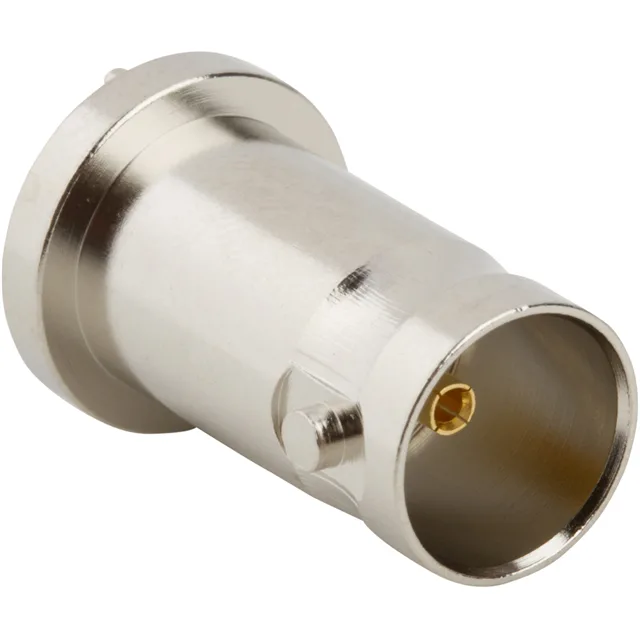
112405-10-2 — Amphenol product photo

Amphenol 112405-10-2 BNC Jack, 75 Ohm, 4 GHz, Through Hole

MPN112405-10-2
Active

Amphenol BNC jack, 75 Ohm, through hole, 4 GHz, 1 port, bayonet lock, nickel body, gold center contact, bulk.

$3.2118Ref. price · indicative, final on quote
StockContact for availability
MOQ1 pcs
  • New & original stockTraceable channels only — no mixed lots, no re-taped reels.
  • Factory packaging where availableSealed reels, trays and bags; cut quantities always stated on the quote.
  • Photo-verified countsEvery line counted and photographed before the box closes.
  • PayPal buyer protectionPay by T/T, PayPal or Payoneer — card payments covered end to end.

Specifications

112405-10-2 Technical Specifications
ParameterValue
Mounting typeThrough Hole
Connector typeJack, Female Socket
Fastening typeBayonet Lock
Frequency - max4 GHz
Operating temperature-65°C~165°C
Body materialBrass
Housing colorSilver
Dielectric materialPolytetrafluoroethylene (PTFE)
Center contact materialPhosphor Bronze
PackageBulk
Impedance75Ohm
Body finishNickel
Mating cycles500
Number of ports1
Shield terminationSolder
Contact terminationSolder
Center contact platingGold

Product details

The 112405-10-2: Its 75 Ohm impedance targets video, CCTV, and telecom signal paths — not the 50 Ohm standard of RF/microwave work. The gold-plated phosphor bronze center contact and PTFE dielectric support a 4 GHz max frequency, covering standard-definition, HD-SDI, and baseband video without pushing into microwave territory.

In a 75 Ohm system (common in broadcast, CCTV, and telecom), the connector matches the cable and equipment impedance, minimizing reflections and signal loss. The 4 GHz max frequency is plenty for HD-SDI (up to 3 GHz) and standard-definition video, but it won't handle Ku-band satellite or microwave links. If you're routing 75 Ohm coax like RG-59 or RG-6 through a PCB, this jack keeps the impedance continuous through the transition.

The through-hole footprint gives a stronger mechanical bond than an SMT edge-launch — important when the cable strain pulls on the connector body.