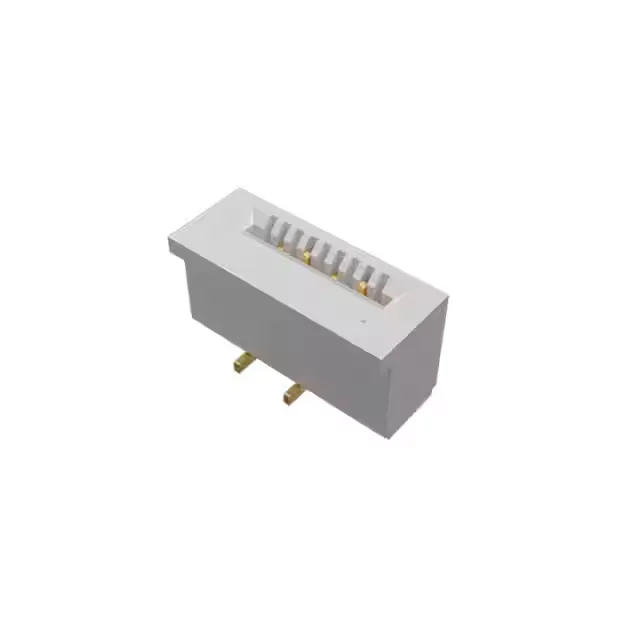
Amphenol F51H-1A7H1-11006-B100 — FFC / FPC Cable Assemblies

F51H-1A7H1-11006-B100 Amphenol ICC FFC/FPC Connector, 6 Pos

MPNF51H-1A7H1-11006-B100
Active

Amphenol ICC (FCI) Aorora F51H series, F51H-1A7H1-11006-B100, 6-position FFC/FPC connector, 0.039" (1.00mm) pitch, vertical SMT, 1-sided contacts, gold flash 1.97µin, 0.5A, 50V, UL94 V-0 LCP housing, -40°C to 105°C, solder retention, Tape & Reel.

$0.4800Ref. price · indicative, final on quote
RoHSRoHS Compliant
SeriesAorora F51H
Source DocumentedChannel stated on listing & quote
Condition PhotosReal unit photos / video on request
WhatsApp AnswersFast human replies for stock & sourcing questions
Worldwide DispatchDHL/FedEx — transit quoted per order
Independent supplier — new & surplus connector stock· Listing updated Aug 2026

Specifications

F51H-1A7H1-11006-B100 key specifications
ParameterValue
SeriesAorora F51H
MountingSurface Mount
Cable end typeNotched
Flat flex typeFFC, FPC
Connector (Contact type)Contacts, Vertical - 1 Sided
Voltage rating50V
Current rating0.5A
Operating temperature-40°C~105°C
Housing colorNatural
Actuator colorGray
Contact materialPhosphor Bronze
Housing materialLiquid Crystal Polymer (LCP), Glass Filled

All specifications

F51H-1A7H1-11006-B100 additional specifications
ParameterValue
Height above board0.165\" (4.20mm)
Material flammability ratingUL94 V-0
Pitch0.039\" (1.00mm)
PackageTape & Reel (TR); Cut Tape (CT)
FeaturesSolder Retention
TerminationSolder
Mating cycles20
Contact finishGold
FFC, FCB thickness0.33mm
Positions6
Contact finish thickness1.97µin (0.050µm)

Product details

6-Position FFC/FPC Connector for Signal-Level Board Interconnects

The F51H-1A7H1-11006-B100 is a 6-position FFC/FPC connector from Amphenol ICC's Aorora F51H series. It uses a 0.039" (1.00mm) pitch, vertical SMT orientation with 1-sided contacts — the FFC inserts perpendicular to the PCB and mates with a single-sided flex circuit.

Board Fit: Pitch, Height, and Footprint

The vertical contact orientation means the FFC exits straight up, which keeps the cable routing out of the way of adjacent components. The connector accepts 0.33 mm thick FFC with a notched cable end type, which keys the insertion orientation and prevents reverse mating.

Mating Cycles and Contact Finish — What 20 Cycles Means

The 20-cycle mating rating is low compared to ZIF connectors that offer 30 or more cycles. The gold flash (1.97 µinch) is a thin corrosion barrier — adequate for one-time assembly or occasional rework, but not for field-service connectors that are disconnected quarterly. In a product that is assembled once and never re-mated, the 20-cycle rating is irrelevant; if the FFC needs to be swapped during manufacturing test or firmware updates, stay within the cycle budget.

Comparing the 6-Position Against Siblings

The closest alternative within the F51H series is the F51H-1A7H1-11004-B100, a 4-position version with identical pitch, height, current, and finish. If your BOM needs fewer circuits, that part drops in without a board redesign. The 7-position F51H-1A7H1-11007-B100 adds one circuit and accepts both 0.30 mm and 0.33 mm FFC thickness with a straight/tapered cable end. If your flex cable uses a different end key or you need one more signal, that sibling is the direct match. For applications that require more frequent reconnection, the F51W-1A7H1-11010 from the Aorora F51W series offers a ZIF mechanism and slide lock, rated for 30 mating cycles. It is slightly taller (0.167" / 4.25 mm) but shares the same pitch and current rating. If the 20-cycle limit is a constraint, the F51W is the upgrade path.

Frequently asked questions

What FFC thickness and cable end type does the F51H-1A7H1-11006-B100 accept?

It accepts 0.33 mm thick FFC with a notched cable end. The notched keying prevents reverse insertion into the vertical 1-sided contact.

Can I use the 4-position F51H-1A7H1-11004-B100 as a drop-in replacement if I only need 4 circuits?

Yes — the 4-position version shares the same pitch (1.00 mm), height (4.20 mm), contact finish, and current rating. The board footprint differs only in position count; if your layout has unpopulated pads, it will fit mechanically.