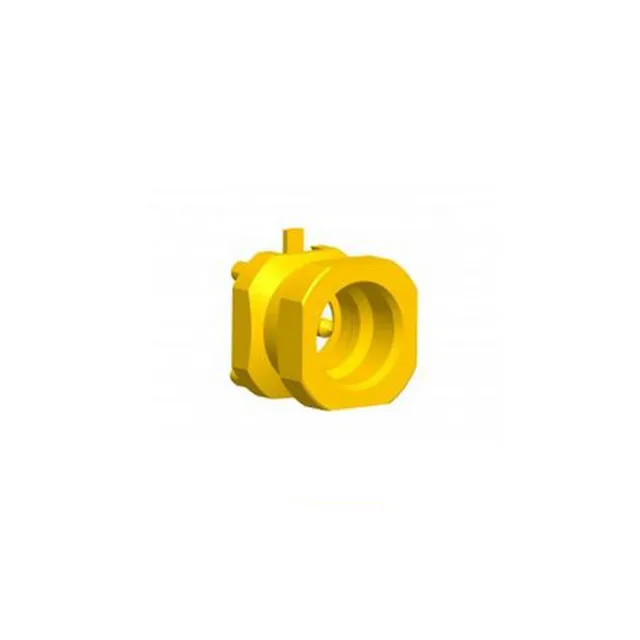
PSMP Snap-On Jack, 50 Ohm Path to 10 GHz
Gold body and gold centre contact plating keep corrosion off the signal path; the LCP dielectric holds impedance stable across the operating range.
50 Ohm at 10 GHz — What the Bandwidth Means
Rated to 10 GHz, this jack handles L-band through X-band signals — think radar, satellite comms, or test equipment front-ends. At 10 GHz, the LCP dielectric's stable dielectric constant matters more than at lower frequencies — it keeps the impedance from drifting with temperature or humidity. The limited detent feature means the snap-on engagement has a defined detent force — it holds position under moderate vibration but releases with a straight pull. That's a trade-off: quicker to mate and unmate than a full-detent or threaded connector, but less resistant to accidental disconnect in high-shock environments.
Both the shield and the centre contact terminate with solder — no crimp tooling needed. The mounting type is listed as surface mount and through hole, which means the shield legs can go through the board or sit on surface pads depending on your footprint. For a 10 GHz signal, the solder joint geometry at the centre pin matters: keep the stub short and the pad transition clean to avoid an impedance bump.
100 Mating Cycles — Duty Limit
Rated for 100 mating cycles. That's typical for a snap-on RF connector with gold-over-brass contacts — the gold plating on the centre contact and body resists wear through those cycles, but the snap-on spring fingers will eventually take a set. For a test-port or module interface that gets mated a few times a week, that's years of service. For a daily-mated production test fixture, you'll want a connector rated higher.
Temperature Range and Materials
The brass body and centre contact hold up to thermal cycling in that band; the LCP dielectric doesn't soften or creep at the high end. The gold finish on the body isn't just for looks — it prevents galvanic corrosion when the jack is mounted against a stainless or nickel-plated panel in a humid or salt-fog environment.