TE Connectivity AMP Connectors 5226990-3 — RF Cable Assemblies

TE Connectivity 5226990-3 BNC Jack, 50 Ohm, 4 GHz

MPN5226990-3
Active

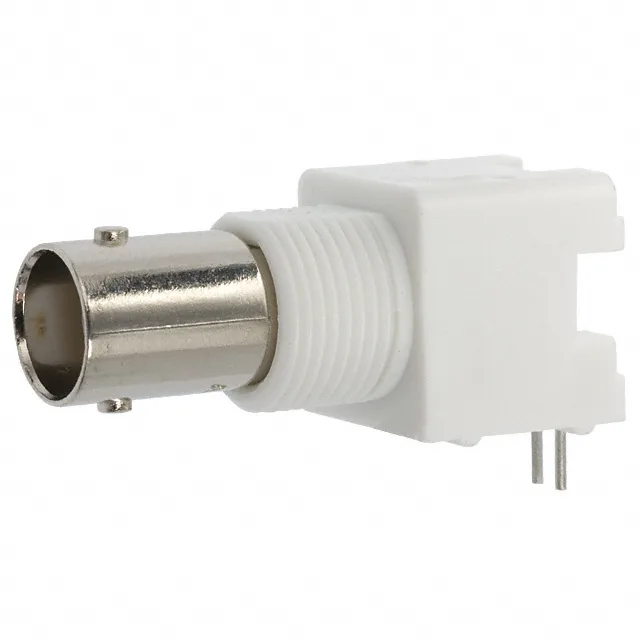
TE Connectivity, BNC series, Jack Female Socket, 5226990-3, 50 Ohms, 4 GHz, 500 V, Panel Mount Through Hole Right Angle, Solder Termination, Bayonet Lock, 500 Mating Cycles.

$3.7600Ref. price · indicative, final on quote
Source DocumentedChannel stated on listing & quote
Condition PhotosReal unit photos / video on request
WhatsApp AnswersFast human replies for stock & sourcing questions
Worldwide DispatchDHL/FedEx — transit quoted per order
Independent supplier — new & surplus connector stock· Listing updated Aug 2026

Specifications

5226990-3 key specifications
ParameterValue
MountingPanel Mount, Through Hole, Right Angle
Connector typeJack, Female Socket
Fastening typeBayonet Lock
Voltage rating500 V
Frequency - max4 GHz
Mounting featureBulkhead - Front Side Nut
Operating temperature-55°C ~ 85°C
Body materialZinc
Housing colorNatural, Silver
Dielectric materialPolymethylpentene (PMP)
Center contact materialPhosphor Bronze
PackageBulk

All specifications

5226990-3 additional specifications
ParameterValue
FeaturesIsolated
Impedance50 Ohms
Body finishNickel
Mating cycles500
Number of ports1
Shield terminationSolder
Contact terminationSolder
Center contact platingGold

Product details

The 5226990-3: Rated to 4 GHz, it covers the common RF bands from HF through UHF and into low microwave, making it a workhorse for signal paths that don't push into the multi-GHz range.

Mounting and Termination — What the Triple Option Means

This jack gives you three mounting paths in one part: panel mount (bulkhead with front-side nut), through-hole solder tails, and a right-angle body orientation. Shield termination is solder, not crimp, so you'll need a soldering iron, not a crimp tool — no special applicator beyond what any bench already has.

50 Ohm at 4 GHz — What the Bandwidth Means for Your Signal Chain

The 4 GHz upper frequency limit means this connector passes signals cleanly up through the 2.4 GHz ISM band, 3.5 GHz WiMAX bands, and into the lower 5 GHz region before roll-off becomes significant. If your application runs above 4 GHz — say 6 GHz or 10 GHz — you'd step up to a BNC rated for higher frequency (some reach 12 GHz) or move to an SMA or N-type. For the vast majority of lab instrumentation, broadcast, and industrial RF work below 4 GHz, this is the right interface.

How It Compares to 415420-1

The 415420-1 is another TE BNC jack in the same series, same Bulk package, and same Active lifecycle. The decision between them comes down to the mounting and termination: the 5226990-3 is panel mount with right-angle through-hole solder tails, while the 415420-1 is a straight through-hole solder cup variant. Both share the 50 Ohm impedance and BNC interface — the swap is about mechanical orientation, not electrical performance.

Frequently asked questions

Does 5226990-3 require special tooling for installation?

No special crimp tool is needed — the shield and centre contact terminate by solder, so a standard soldering iron is all that's required for installation.

Is 5226990-3 compatible with RG58 cable?

The 5226990-3 is a panel-mount jack with solder termination — it does not include a cable entry or clamp. For RG58 compatibility, you would need a mating BNC plug (male) that accepts RG58 cable, such as a TE 5226990-3-compatible plug with the appropriate cable group.

Is 5226990-3 a standard or miniature BNC?

The 5226990-3 is a standard BNC connector, not a miniature or subminiature variant — it uses the full-size BNC bayonet interface.