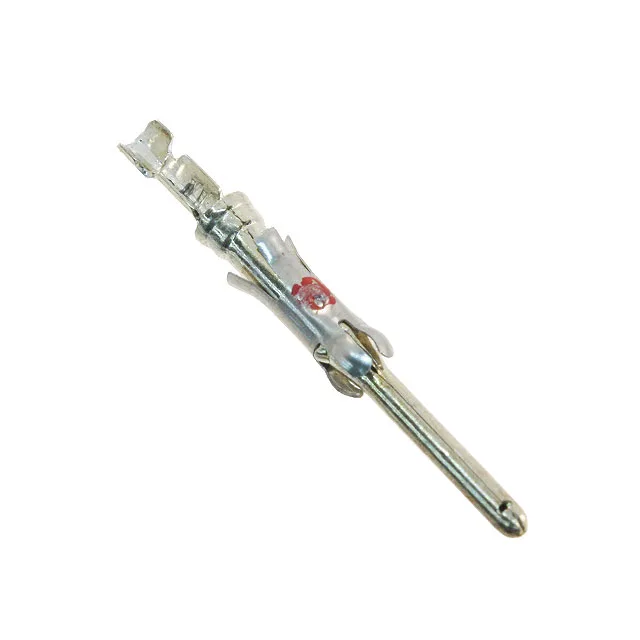
66107-2 — TE Connectivity AMP Connectors product photo

TE 66107-2 Multimate III+ Stamped Pin Contact, 24-26 AWG

MPN66107-2
Active

TE Connectivity Multimate III+ stamped pin contact, 66107-2, crimp termination, 24-26 AWG, tin-lead 50.0µin (1.27µm) finish, brass contact, bulk package.

$0.9800Ref. price · indicative, final on quote
StockContact for availability
MOQ1 pcs
  • New & original stockTraceable channels only — no mixed lots, no re-taped reels.
  • Factory packaging where availableSealed reels, trays and bags; cut quantities always stated on the quote.
  • Photo-verified countsEvery line counted and photographed before the box closes.
  • PayPal buyer protectionPay by T/T, PayPal or Payoneer — card payments covered end to end.

Specifications

66107-2 Technical Specifications
ParameterValue
TypeStamped
SeriesMultimate III+
Wire gauge24-26 AWG
Contact materialBrass
PackageBulk
Pin or socketPin
Contact finishTin-Lead
Contact terminationCrimp
Contact finish thickness50.0µin (1.27µm)

Product details

Multimate III+ Stamped Pin — 24-26 AWG, Tin-Lead Finish

Wire Range and Termination

The 24-26 AWG wire range is the primary fit criterion — this pin accepts stranded or solid wire within that section. The crimp termination uses a standard open-barrel crimp tool (TE or equivalent) to form a gas-tight connection. The stamped construction keeps per-unit cost low for high-volume harness builds, but the tin-lead finish means the contact is not RoHS-compliant as of current standards.

Frequently asked questions

Where can I buy TE 66107-2?

Submit a request for quote to confirm current pricing and availability.

Is 66107-2 RoHS compliant?

The 66107-2 carries a tin-lead contact finish, which is not RoHS-compliant under current regulations. It is intended for applications where tin-lead is still accepted or for legacy repair and maintenance.

What is the wire range for TE 66107-2?

The 66107-2 accepts 24-26 AWG wire. The crimp termination is designed for that gauge range; using wire outside this section may compromise pull-force or contact resistance.