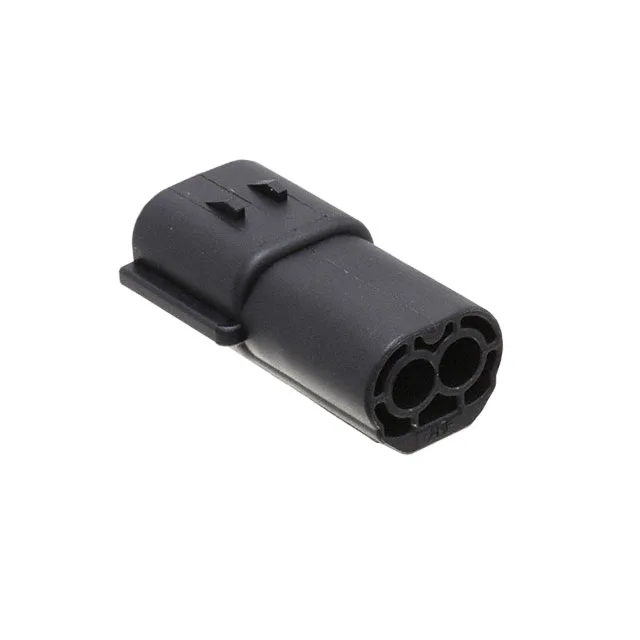
TE Connectivity AMP Connectors 174354-2 — Connector Housings

TE Connectivity 174354-2 EconoSeal J Mark II 070

MPN174354-2
Active

TE Connectivity EconoSeal J Mark II 070 receptacle housing, 174354-2, 2 positions, 1 row, free hanging (in-line), crimp termination, black PBT, -30°C to 105°C, ROHS3 compliant.

$0.6900Ref. price · indicative, final on quote
RoHSROHS3 Compliant
SeriesEconoSeal J Mark II 070
Sourced new & surplus through independent channelsAuthenticity-screened · ESD-safe packingListing updated Aug 2026

Specifications

174354-2 specifications
ParameterValue
SeriesEconoSeal J Mark II 070
TypeMale Pin
MountingFree Hanging (In-Line)
Connector typeReceptacle
Operating temperature-30°C ~ 105°C
ColorBlack
Insulation materialPolybutylene Terephthalate (PBT)
NoteContacts Not Included
PackageBulk
Rows1
Contact terminationCrimp
Positions2

Product details

It's a free-hanging (in-line) connector meant for crimp-terminated contacts — you supply the male pin terminals separately, as the housing ships empty. The black PBT insulation handles -30°C to 105°C, putting it in range for underhood automotive or industrial cabinet service where the temperature swings are real. Mates with the corresponding EconoSeal J Mark II 070 plug housing (look for the locking ramp feature on the plug side).

This receptacle housing accepts male pin contacts that you crimp onto the wire, then insert into the cavity. For a 2-position, single-row layout, the wire routing is straightforward: two individual leads, no row staggering to manage. The free-hanging design means it's a field-replaceable splice point, not a board-mounted header.

Frequently asked questions

What is the mating connector for 174354-2?

The 174354-2 receptacle housing mates with the corresponding EconoSeal J Mark II 070 plug housing, which uses tab contacts and a locking ramp for retention. The plug side is also free-hanging and crimp-terminated.

Is 174354-2 RoHS compliant?

Yes, the 174354-2 is listed as ROHS3 compliant, meeting the latest RoHS directive requirements.