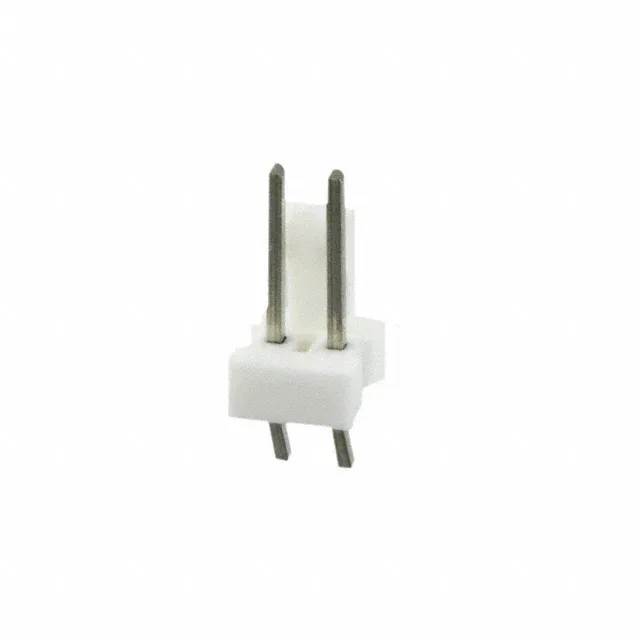
TE Connectivity AMP Connectors 644874-2 — Pin Headers

644874-2 TE MTA-100 Header 2 Pos 2.54mm Friction Lock

MPN644874-2
Active

TE Connectivity AMP Connectors MTA-100 series, 644874-2, Board to Cable/Wire header, 2 positions, 0.100" (2.54mm) pitch, shrouded 1-wall, friction lock, kinked pin solder termination, tin contacts, UL94 V-0.

$0.3100Ref. price · indicative, final on quote
RoHSROHS3 Compliant
SeriesMTA-100
Sourced new & surplus through independent channelsAuthenticity-screened · ESD-safe packingListing updated Aug 2026

Specifications

644874-2 key specifications
ParameterValue
SeriesMTA-100
TypeMale Pin
MountingThrough Hole
Connector typeHeader
Fastening typeFriction Lock
Voltage rating250VAC
Current ratingVaries by Wire Gauge
Operating temperature-55°C ~ 105°C
Contact materialCopper Alloy
Insulation colorNatural
Insulation height0.310\" (7.87mm)
Insulation materialThermoplastic

All specifications

644874-2 additional specifications
ParameterValue
Material flammability ratingUL94 V-0
StyleBoard to Cable/Wire
PackageBulk
ShroudingShrouded - 1 Wall
TerminationKinked Pin, Solder
ApplicationsGeneral Purpose
Contact shapeSquare
Rows1
Pitch0.100\" (2.54mm)
Positions2
Contact finish - postTin
Contact length - post0.125\" (3.18mm)
Overall contact length0.520\" (13.21mm)
Contact finish - matingTin
Contact length - mating0.295\" (7.49mm)

Product details

2-pin single-row header with friction lock

The single-wall shroud provides basic polarization and protects the pins from accidental shorting during handling — enough for a general-purpose board-to-wire connection where the mating housing is keyed to the shroud profile.

Active lifecycle and sourcing

ROHS3 compliant — no exemptions that would limit its use in EU-market equipment.

Frequently asked questions

What is the mating connector for 644874-2?

The exact mating part number depends on the number of positions (2) and the wire gauge.

Is 644874-2 RoHS compliant?

Yes, it is ROHS3 compliant — no restricted substances above the threshold limits.